Howka tribal members.. I don't know if anyone knows it but Pala now has their own radio station.. it can only be heard from their rez.. BUT ! it is now also on the internet.. at http://www.palatribe.com/pala-radio
They are using it to keep tribal members aware of things happening on the rez.. like when the fires hit Indian country back in 2007.. Check it out ..
Friday, February 18, 2011
PALA REZ HAS A RADIO STATION

Wednesday, February 16, 2011
Honor the abundant vitality of a traditional Native American diet
Containing many super-foods, the traditional diet of Native Americans offers great health. A diet rich in berries, roots, and nuts traditionally kept tribal members powerful and robust. As the modern diet displaced these nutrient dense foods, the health of Native Americans began to decline.
An article by the Organic Consumers Association reports on the need to combat the epidemic of diabetes and childhood obesity among modern Native Americans with a return to the traditional diet enjoyed by their ancestors.
Bea Medicine, a Native American Anthropologist, describes the change in diet:
"Traditional food staples of Indian tribes--wild game, berries, roots, teas, and indigenous vegetables--were high in protein and low in fat. That's a switch from the modern Native American diet, which is high in fat and refined starches and sugars."
Kibbe Conti, a nutritionist who works with tribes nationwide, continues:
"It started when Indian people were no longer free to live off the land. After the tribes were placed on reservations, they were fed government rations of processed food. Much of reservation lands could not be farmed. The shift from hunting, gathering and farming to a cash economy in the early 1900s forced family members to leave home in search of work."
Today, tribal members consume a diet of government commodities, including cheese, canned meat, processed packaged food, lard and powdered milk.
In contrast, the super-foods enjoyed for centuries by Native Americans, such as mesquite, blueberries, sassafras, and hazelnuts, kept individuals thriving with an absence of diabetes, heart disease, and obesity.
Mesquite flour is a low-glycemic, gluten free, nutrient packed super-food. It is an excellent source of the amino acid lysine and is rich in calcium, magnesium, potassium, iron, and zinc. This healthy flour is also high in both protein and fiber. Since mesquite flour supports stable blood sugar levels and takes longer to digest than wheat flour, it helps one to feel satisfied longer.
Blueberries are an antioxidant power house, containing high levels of anthocyanidins and ellagic acid. Antioxidants help to counteract free radical damage that can lead to cataracts, glaucoma, ulcers, heart disease, and cancer. These mighty berries are a good source of vitamin C, manganese, vitamin E, and both soluble and insoluble fiber. Moreover, blueberries improve and protect brain function.
Native Americans utilized the roots, leaves and bark of the sassafras tree in a variety of ways. Sassafras tea helps to detoxify the body and treats high blood pressure as an effective tonic. Additionally, this herb is a useful diuretic that eases symptoms of arthritis and rheumatic conditions. Sassafras also provides relief from gastrointestinal problems, kidney ailments, and troubles with the skin. Due to some controversy over the essential oil safrole found in sassafras, it is recommended to not use this herb for longer than one month a year in moderate amounts.
The traditional diet of Native Americans included hazelnuts as well which have numerous health benefits. Hazelnuts are a good source of protein, fiber, vitamin E, iron, zinc, calcium, magnesium, and potassium. Likewise, hazelnuts contain significant amounts of carotenoids, flavonoids, and proanthocyanidins which protect against urinary tract infections, heart disease, and cancer. Folate is found in high concentration, protecting against Alzheimer's, depression, and birth defects.
Enjoy the super-foods of a traditional Native American diet as abundant vitality and well-being are healthfully embodied. by: Carolanne Wright
Blueberry Galette with Hazelnut (http://www.thrive-living.com/2010/1...)
Sources for this article:
Karen Lincoln Michel, "Native Americans Discuss a Return to Traditional Natural Foods to Combat Health Problems", Organic Consumers Association, Special to The Washington Post, September 22, 2004
Mike Adams, "Mesquite flour is a high-protein, low-glycemic superfood from desert trees", www.NaturalNews.com, August 25, 2010
Hub Pages, "Use Mesquite Flour to Prevent Diabetes"
www.HubPages.com
Shirley Zafra-Stone, Taharat Yasmin, Manashi Bagchi, Archana Chatterjee, Joe A. Vinson, Debasis Bagchi, "Berry anthocyanins as novel antioxidants in human health and disease", Molecular Nutrition and Food Research, 2007
C.M. Mainland, J.W. Tucker, "Blueberry Health Information-Some New Mostly Review", ISHS.
Article retrieved November 20, 2010
George Mateljan Foundation, "Blueberries"
www.whfoods.com
Foundation of Herbalism, "Sassafras"
www.Foundationsofherbalism.com.
Debopriya Bose, "Sassafras Tea Health Benefits"
www.buzzle.com
Hazelnut Council, "Nutritional Overview"
www.Hazelnutcouncil.org.
About the author
Carolanne enthusiastically believes if we want to see change in the world, we need to be the change. As a nutritionist, natural foods chef, and wellness coach, Carolanne has encouraged others to embrace a healthy lifestyle of organic living, gratefulness, and joyful orientation for over 13 years. Through her website www.Thrive-Living.com she looks forward to connecting with other like-minded people from around the world who share a similar vision.
Learn more: http://www.naturalnews.com/030689_Native_Americans_food.html#ixzz1E8fahY9s
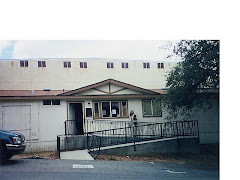
Tribal Library
Howka tribal members..There are a couple of things going on..First I would like to ask tribal members to call the tribal office and say we want our old library building back.
2nd as soon as the tribe gets the grant web site cleared I want to write a grant so we can get a bookmobile for our rez as well as use it to serve Los Coyotes & mesa Grande. I would like any tribal member that has input to please email me .
Monday, February 14, 2011
Native American Congressional Internships
Native American Congressional Internships
January 20,
2011
By Scot
The Udall Foundation provides a ten-week summer internship in Washington, D.C., for Native American and Alaska Native students who wish to learn more about the federal government and issues affecting Indian Country. The internship is fully funded: the Foundation provides round-trip airfare, housing, per diem for food and incidentals, and a stipend at the close of the program.
�
Interns work in congressional and agency offices where they have opportunities to research legislative issues important to tribal communities, network with key public officials and tribal advocacy groups, experience an insider's view of the federal government, and enhance their understanding of nation-building and tribal self-governance.
�
In 2011, the Foundation expects to award 12 Internships on the basis of merit to Native Americans and Alaska Natives who:
Are college juniors or seniors, recent graduates from tribal or four-year colleges, or graduate or law students;
Have demonstrated an interest in fields related to tribal public policy, such as tribal governance, tribal law, Native American education, Native American health, Native American justice, natural resource protection, cultural preservation and revitalization, and Native American economic development.
�
For more information, please visit
http://udall.gov/OurPrograms/NACInternship/NACInternship.aspx
Wednesday, February 9, 2011
Teen video contest
Teens can win up to $3,000 for their public or school librarythrough Why I Need My Library teen video contest Through April 18, teens between the ages of 13 and 18 areinvited to create original videos on why they think libraries are needednow more than ever for the Why I Need My Library
Tuesday, February 8, 2011
santa ysabel job posted on craigslist
Howka sisters and brothers.. i noticed a job up by the rez and qanted to post it in case you didn't see it ..
Date: 2011-01-27, 4:06PM PST
Reply to: job-uxn9y-2183883754@craigslist.org
Responsible for the supervision, operation, and maintenance of the physical facilities and property in the area to which he/she is assigned. The camp maintenance assistant serves as an ambassador of goodwill as well as an enorcer of rules. This position requires that the candidate lives on camp property.
Specific Duties: Operation of physical facilities and property including machinery & motor vehicles; Maintenance of physical facilities and property including cleaning and repairing of buildings and equipment; Maintain a harmonious relationship with volunteers, camp staff, and users of the facility; Assist with program and activities as requested; Protection and control of property and people; Submission of reports to foreman; Other duties as assigned.
Requirements: Ability to perform a variety of basic maintenance skills, including plumbing, electrical, carpentry, with specialized capability in at least one technical skill; Experience in using hand tools and shop machinery; Ability to relate well with people and to have a friendly and helpful attitude; Ability to effectively enforce established policies and procedures.
Personal requirements: Mature attitude; Physically and mentally fit; Personal integrity; Willing to accept a flexible work schedule that often includes weekends and holidays; Willing to live on camp property; Willing to subscribe to and live by the basic tenets embodied in the Boy Scout Oath and Law.
Monday, February 7, 2011
kumeyaay language on youtube
Subscribe to:
Posts (Atom)